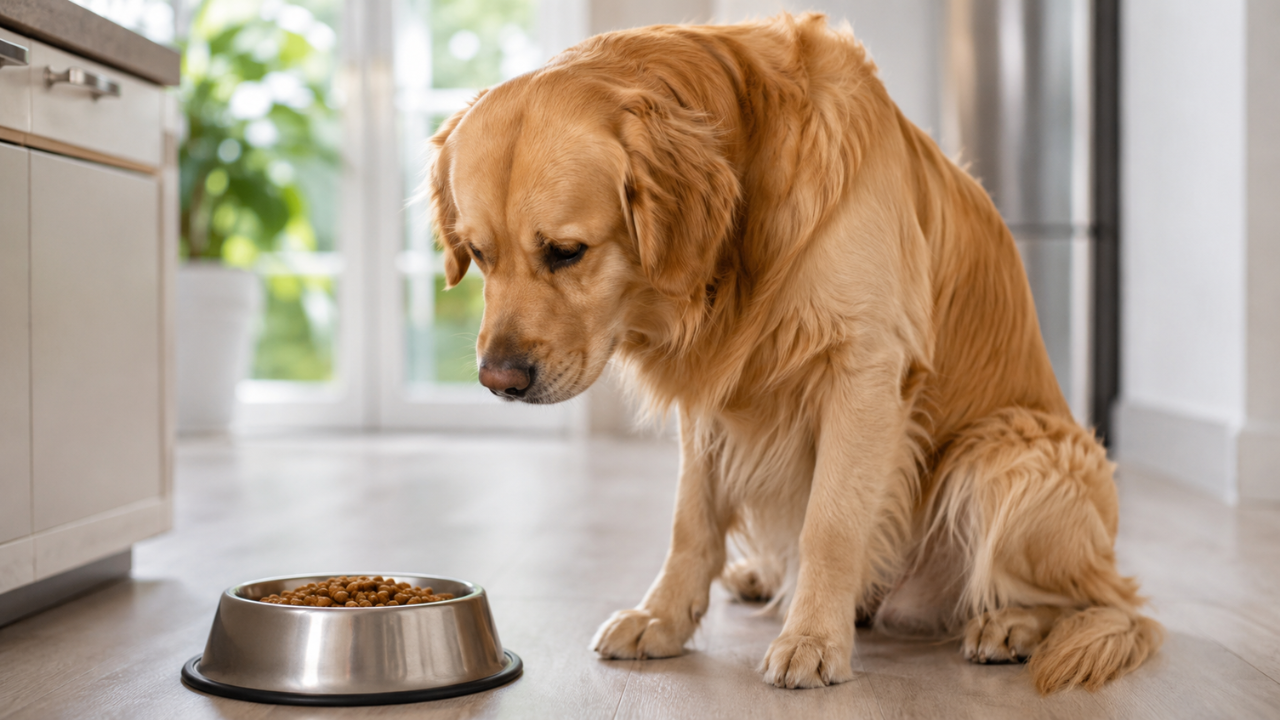
If you’re wondering “why does my dog have diarrhea after eating regular dog food”, you’re not alone. Many dog owners become concerned when their dog suddenly develops loose stools, stomach upset, or digestive issues after eating food they’ve been eating for weeks or even months.
Dog diarrhea can be caused by food intolerance, food allergies, sudden diet changes, poor-quality ingredients, overeating, bacterial contamination, or underlying health conditions.
📋 Signs Your Dog’s Food May Be Causing Diarrhea
Before identifying the exact cause, look for these common symptoms:
- Loose or watery stools
- Frequent bowel movements
- Gas and bloating
- Stomach noises
- Vomiting
- Loss of appetite
- Low energy levels
🐶 1. Sudden Changes in Dog Food
One of the most common reasons dogs develop diarrhea after eating regular dog food is a sudden diet change.
Even if the new food is high quality, your dog’s digestive system may need time to adjust. Switching foods overnight can disrupt the balance of healthy bacteria in the gut, leading to loose stools and digestive discomfort.
Common Examples
- Switching dog food brands suddenly
- Changing from chicken to beef recipes
- Moving from puppy food to adult food
- Introducing grain-free formulas too quickly
Solution
Transition gradually over 7–10 days by mixing increasing amounts of new food with the old food.
🍖 2. Food Intolerance
Food intolerance occurs when your dog’s digestive system struggles to process specific ingredients.
Unlike food allergies, food intolerance mainly affects digestion rather than the immune system.
Common Trigger Ingredients
- Chicken
- Beef
- Dairy
- Wheat
- Soy
- Corn
A dog may eat a chicken-based formula for years but develop digestive problems after a manufacturer changes the recipe or ingredient quality.
⚠️ 3. Food Allergies
Food allergies are less common but can still cause chronic diarrhea and digestive issues.
When a dog has a food allergy, the immune system reacts negatively to a specific ingredient.
Symptoms of Food Allergies
- Chronic diarrhea
- Itchy skin
- Ear infections
- Excessive licking
- Hair loss
- Red skin irritation
🏭 4. Low-Quality Dog Food Ingredients
Not all dog foods are created equal.
Many budget dog foods contain fillers, artificial preservatives, food dyes, and lower-quality protein sources that may trigger digestive upset.
Look For Dog Food With:
- Real meat as the first ingredient
- Limited fillers
- No artificial colors
- Clear ingredient labeling
- High-quality protein sources
🍽️ 5. Overeating or Eating Too Fast
Sometimes the food itself isn’t the problem.
Dogs that eat too quickly or consume large portions can experience digestive upset and diarrhea.
Additional Signs
- Bloating
- Gas
- Vomiting
- Stomach discomfort
Using slow-feeder bowls may help reduce these issues.
🦠 6. Contaminated or Spoiled Dog Food
Dog food that has expired or been stored improperly can contain harmful bacteria.
Warning Signs of Spoiled Dog Food
- Bad odor
- Mold growth
- Damaged packaging
- Expired dates
- Changes in texture or color
🏥 7. Underlying Health Conditions
If diarrhea continues despite changing food, an underlying medical issue may be responsible.
Possible Medical Causes
- Intestinal parasites
- Pancreatitis
- Inflammatory bowel disease
- Bacterial infections
- Viral infections
- Digestive disorders
Persistent diarrhea should always be evaluated by a veterinarian.
📊 Common Causes of Dog Diarrhea Comparison Table
| Cause | Common? | Vet Needed? |
|---|---|---|
| Diet Change | Very Common | Usually No |
| Food Intolerance | Common | Sometimes |
| Food Allergy | Moderate | Often |
| Spoiled Food | Common | Possibly |
| Parasites | Moderate | Yes |
| Digestive Disease | Less Common | Yes |
🚨 When Should You Call a Veterinarian?
Contact a veterinarian immediately if your dog experiences:
- Bloody diarrhea
- Severe vomiting
- Refusal to eat
- Extreme lethargy
- Signs of dehydration
- Diarrhea lasting more than 48 hours
✅ How to Prevent Diarrhea From Dog Food
- Transition foods gradually
- Choose high-quality dog food
- Avoid sudden ingredient changes
- Store food properly
- Feed appropriate portion sizes
- Provide clean drinking water daily
- Schedule regular veterinary checkups
❓ Frequently Asked Questions
Can dog food suddenly cause diarrhea?
Yes. Changes in ingredients, food quality, or your dog’s digestive sensitivity can cause diarrhea unexpectedly.
How long should diarrhea last after changing dog food?
Mild digestive upset usually improves within 1–3 days. Longer-lasting symptoms should be evaluated by a veterinarian.
What dog food is best for sensitive stomachs?
Limited-ingredient diets and highly digestible protein sources are often recommended for dogs with sensitive stomachs.
Should I stop feeding my dog if it has diarrhea?
Do not make drastic changes without veterinary guidance. Ensure your dog stays hydrated and monitor symptoms closely.
Can stress cause diarrhea in dogs?
Yes. Anxiety, travel, boarding, and major environmental changes can contribute to digestive upset.
📌 Final Thoughts
If you’ve been asking why does my dog have diarrhea after eating regular dog food, the answer may involve food intolerance, allergies, dietary changes, spoiled food, overeating, or underlying health conditions.
Most mild cases improve with proper dietary management, but persistent symptoms should never be ignored. Monitoring your dog’s health, feeding high-quality food, and consulting a veterinarian when necessary are the best ways to keep your pet healthy and comfortable.
Related Articles: